
Deep and Wild
An author reclaims his heritage.
Guest blog by Miller McKee
It was a sweltering afternoon in the summer of 1969 when a car turned in at the tiny house in rural Virginia that my grandparents owned. I would not be born until the next decade, but my aunt Becky was very much present, watching from the window as a man climbed out with a camera dangling from a strap around his neck. Her eyes narrowed as she waited to see what he would do next.
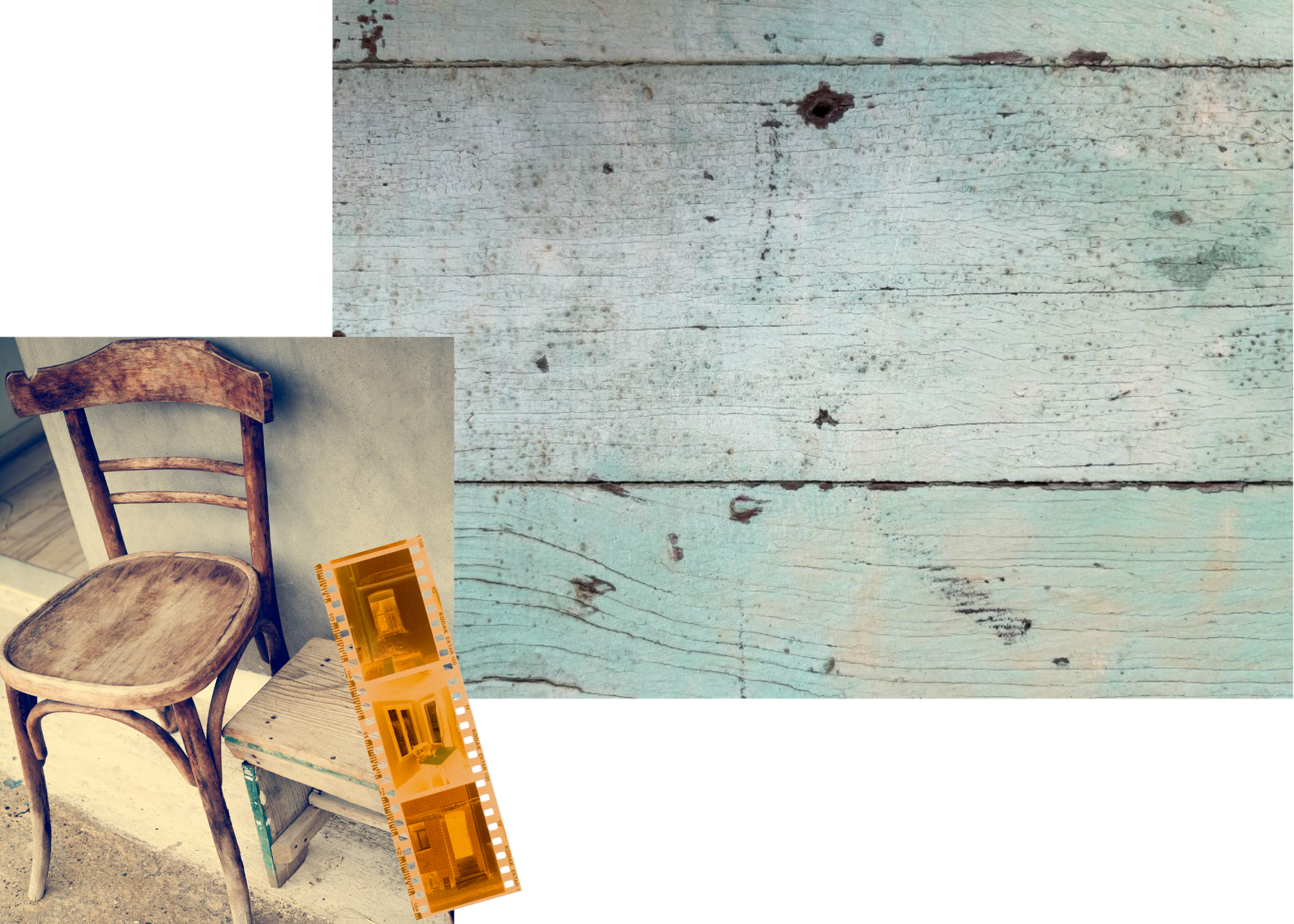
As the story goes, my grandfather was sitting on the front stoop, his snowy snarl of hair rivaling Mark Twain’s for madness. One of his legs was missing from the knee down, the fix at the time for a problem of blood flow to his heart. The siding on the house was being replaced, and the old logs underneath were exposed. It was a storied home, cobbled together to shelter a family with eight children during the Great Depression.
The man stood at the bottom of the yard and pitched his voice to ask my grandpa if he minded being photographed. My aunt rushed right out to run the stranger off. Becky was not usually unfriendly, but she figured she knew what his business was there.
In 1964, Life magazine ran an article entitled The Valley of Poverty, an exposé of conditions in Appalachia, highlighting Lyndon Johnson’s War on Poverty. Similar accounts ran in other publications throughout the 1960s, often regarded now as sympathetic but riddled with stereotypes. A court reporter herself at the time, Becky suspected the photographer was looking to show Grandpa in that light, and she was not having it.
One generation removed, I have found an Appalachian twang in my writing voice, but it took me a long time to get here. This is partly because of the tropes that paint country people as ignorant and problematic, but there was more to it, something far more personal.
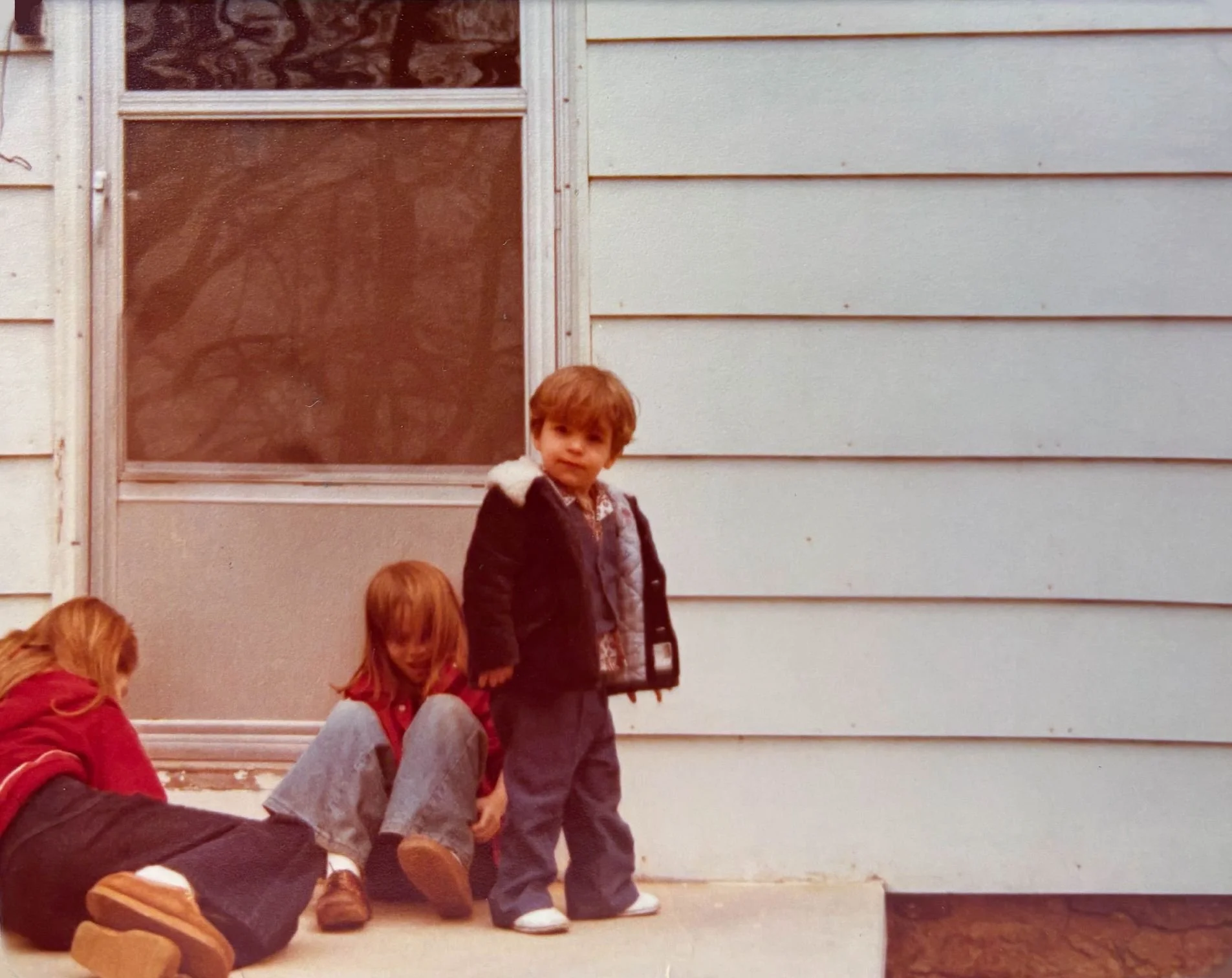
Growing up in Warren County, Virginia, I saw poverty even though I did not live with it. My idea of true Appalachia seemed worlds away. It was there at its best in the student-crafted Foxfire books, but found less favorably in the candy-bright hokum of The Beverly Hillbillies and the chilling melodrama of Deliverance.
This was not my first trip through the gnarly landscape of personal and cultural identity.
Just as I believe my aunt may have done when she chased off the stranger, I had seen a line between myself and Appalachia. Now I regard things differently, in part because of the work of so many talented storytellers, artists, gastronomers, journalists, and advocates for and from the region. These folks continue to shift the narrative, or rewrite the script in TSP parlance, about the multifaceted culture of hill and holler life.
This was not my first trip through the gnarly landscape of personal and cultural identity.
Growing up queer in a small town, I was outed early on by people in my family and at school. They tried to define my differentness as a deficiency, and an aspect of myself that I value deeply now was mirrored back to me as a fatal flaw.
I developed a distrust of my community and for years attributed bigotry to rurality, as if the two were inexorably intertwined and not a result of cynical sociopolitical design. When I was eighteen, I went to London and planned on never coming back, but homesickness and poor money management had me on a plane to Dulles before the summer ended. Still, I felt like I did not really belong here.
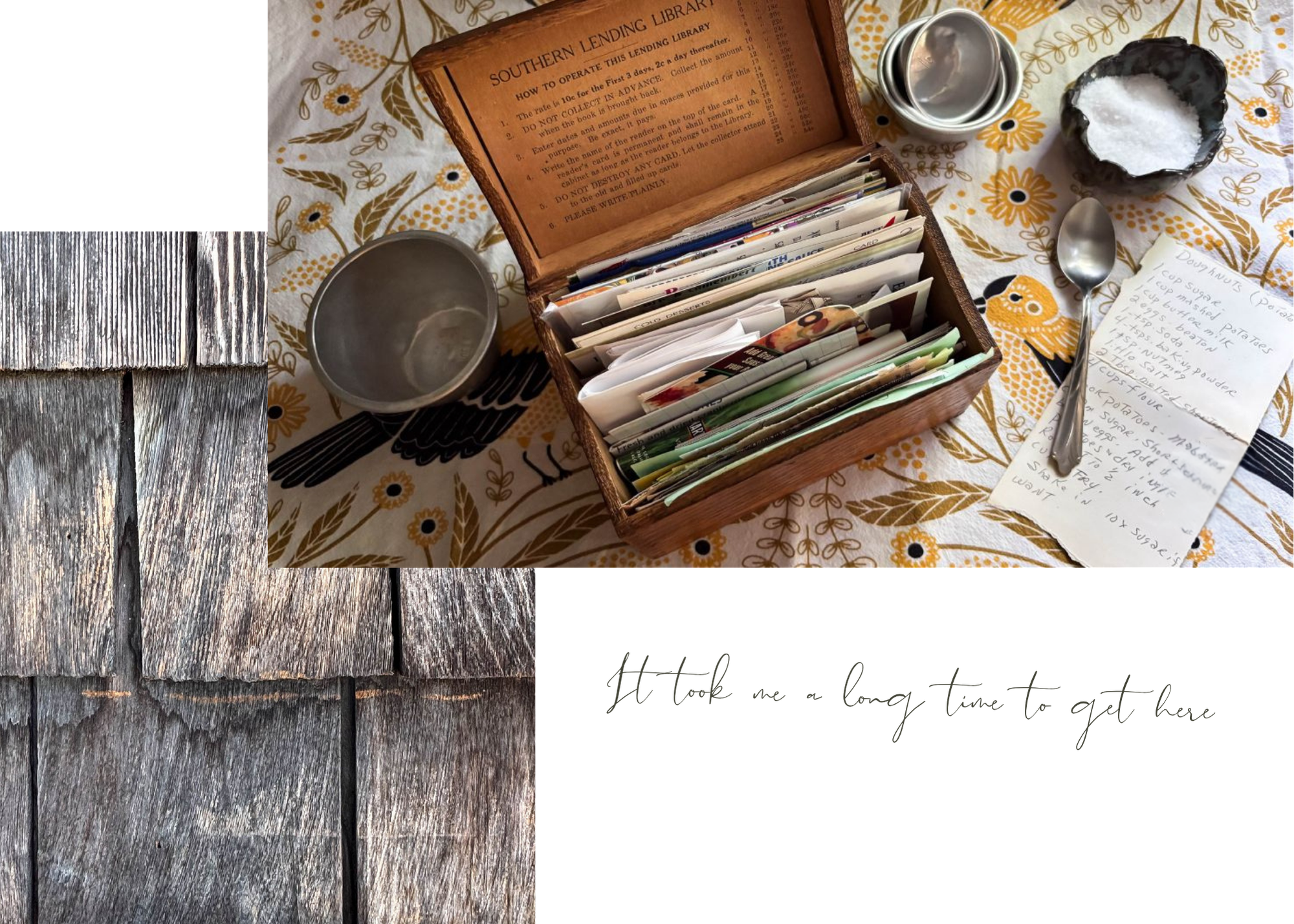
At the same time, I loved the land and so many aspects of country life. I grew up on ham hocks in collard greens, cornbread in cast iron, and desserts made with box cake and jellied fruit out of a can. I had hardened my feet by running barefoot through the pastures in summer. At Halloween, we bobbed for apples and begged for treats at a four-room community center that had been the K-12 school for part of the county only a generation before.
I lived a version of an Appalachian childhood, at least by Gen X standards, but it took me time to stop feeling like an imposter when I thought of myself as a writer with an Appalachian point of view. This was in part because I had not yet scratched beneath media depictions, which framed the region as one of abject poverty and geographical isolation, most often depicted as a place almost mythically frozen in time, usually the first half of the last century.
More recently, Appalachia has been regarded as an example of modern decay in stories that focus on addiction, crime, and haplessness, echoing the narrative of that 1964 issue of Life magazine. Then, as now, people, both well-meaning and not, have amplified this image, which is called poverty tourism by the people who advocate for better representation of the region.
I did not relate to the renderings of Appalachia that I was seeing. My mom did not have a country accent. My dad wore a tie and carried an attache case to his job in the city. To be honest, though their childhoods were absolutely rural and regional, they held themselves somewhat aloof from that culture. Mom and Dad grew up with hens, hounds, and outhouses in their yards, but they were quicker than any city dweller to crack jokes about so-called hillbillies. They were proud of where they came from, but only to a point, protective of how they were seen. They were outside of the joke.
I was editing myself as a defense against the way other people might see me.
For many years, I behaved this way with respect to my queer identity, hypersensitive to lazy tropes that might misrepresent me. I had belted the song Gypsies, Tramps and Thieves more than once in my life, as anyone might who loves a catchy hook as much as a good origin story, but I was a long way from being the cliché of a gay man obsessed with Cher. Even choosing my profession was not without considerations, as I debated whether or not being an interior designer was just a little too on the nose.
I was editing myself as a defense against the way other people might see me. Just like my neighbors in Appalachia, I resisted being defined by others. Yet in this way, the people who had hurt me when I was young were still influencing my self-expression. Years of soul-searching and therapy helped me reclaim my authentic self, but moreover, it improved my writing by allowing me to better understand our shared humanity, which is central in the stories I create.
The next transformation in my journey as an artist and individual was naturally related to ancestry and origin. That is why I find myself at this moment revisiting the stories that I grew up hearing and blending them with my own point of view. In my writings, I will not suffer a cliché, nor will I shy away from portraying cultural details just because they may be within spitting distance of satire. I am crafting new stories of Appalachia, infused with the colors of my modern life, blending queer with country, and past with present.
Resilience is a fundamental connection between Appalachia and me. My hometown was polluted by a synthetic chemical-textile plant in the last century, just as so many other towns have been contaminated by strip mining and now data centers. Every time, people have stood up to fight for clean air and water, safe working conditions, and living wages.
This determination to demand fairness has sustained me through politics that challenge my fundamental rights. Our humanity has not been valued by powerful people, who have used our bodies to amass wealth and our identities to pit each other against one another for political gain. Yet these challenges do not define or limit us. The folks I have come to identify with are resourceful and wise, caring and complicated, too deep and wild to ever be defined in a single snapshot.
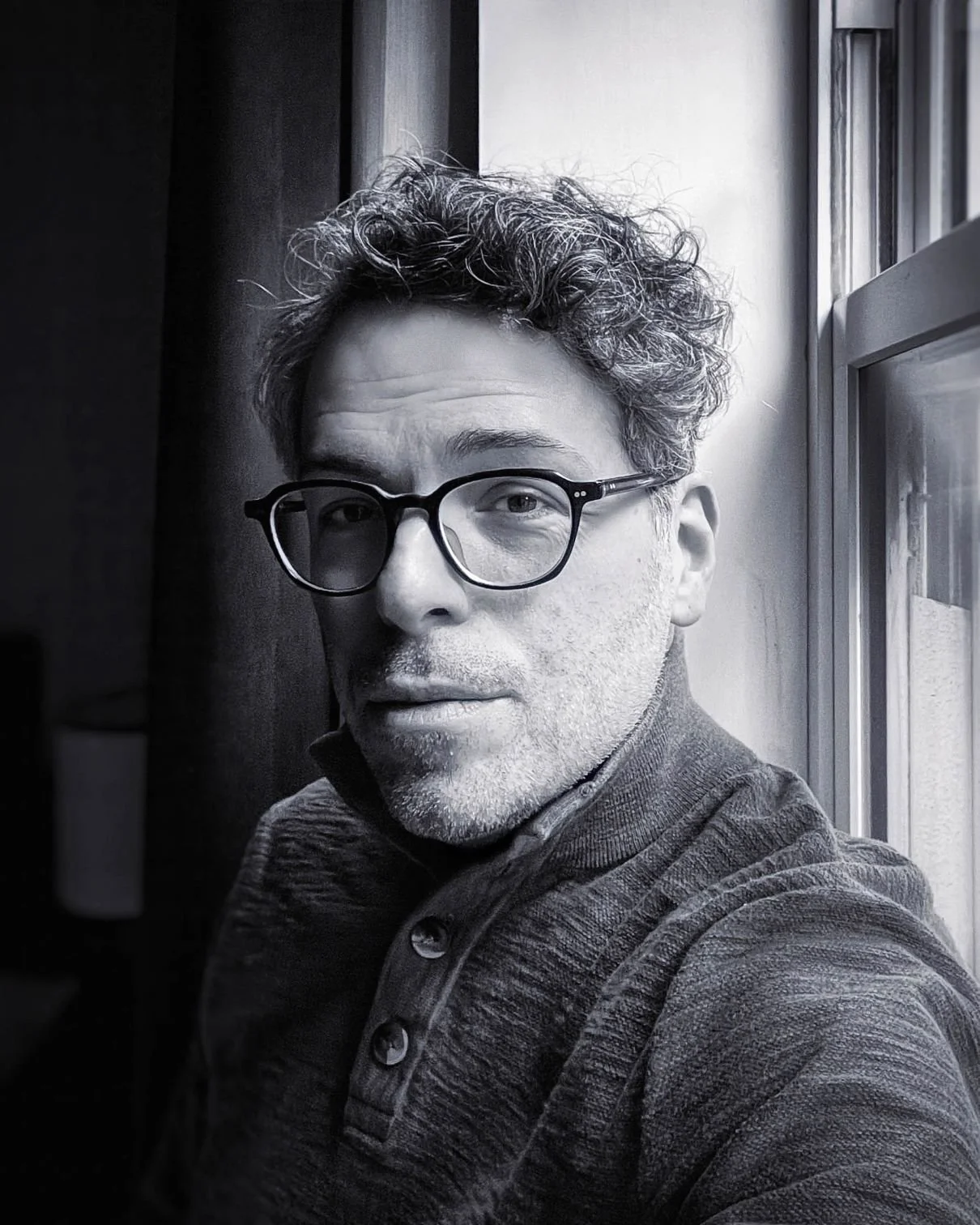
Author of a forthcoming book of short stories from Tattered Script Publishing, Miller McKee is interested in the inner lives of overlooked people: the child in worn sneakers dragging a guitar case to practice; the woman shielding exhausted eyes behind expensive sunglasses; a man so often alone that a simple hello makes him blush.
A descendant of Appalachia, secular humanist, and interior designer, Miller lives with his husband in the Northern Shenandoah Valley of Virginia.
Instagram: @millermckee_author
This original work of authorship is protected under copyright law. Unauthorized reproduction, distribution, or use of this material without prior written consent from the author is strictly prohibited, except for brief quotations embodied in reviews and certain other noncommercial uses permitted by law.
If you would like to submit a guest blog for review of an essay or poetry (1500-2000 words), please reach out to tatteredscript@gmail.com.